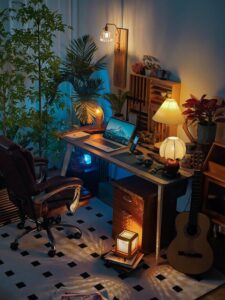
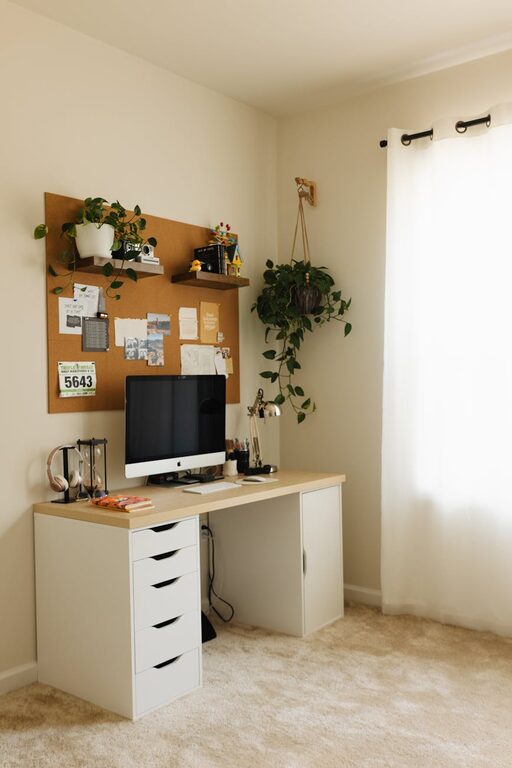
Creating a cozy and productive home office is essential for anyone working remotely or spending significant time on personal projects. A well-designed workspace can improve your focus, motivation, and overall satisfaction throughout the day. Whether you have a dedicated room or a small corner, there are several tips and ideas to help you create an environment that feels both inviting and efficient.
Choosing the Right Location
Finding the perfect spot for your home office is the first step. Ideally, pick a quiet area with minimal distractions and enough natural light. A room with a door can help reduce noise and increase privacy, but even a small niche in a shared space can work if organised thoughtfully.
Consider Natural Light
Exposure to daylight boosts mood and energy levels, which supports productivity. Position your desk close to a window where possible to take advantage of natural light. Avoid glare on your computer screen by placing the desk perpendicular to the window instead of directly facing it.
Minimise Distractions
Noise and clutter disrupt concentration. Choose a space away from busy household areas and consider soundproofing options such as rugs, curtains, or noise-cancelling headphones if needed.
Creating a Comfortable and Functional Workspace
Comfort is key when you spend many hours at a desk. Your workspace should support good posture and reduce strain.
Invest in Ergonomic Furniture
A good office chair with adjustable height and lumbar support helps prevent back pain. Your desk should be at a comfortable height so your arms rest naturally when typing.
Organise Efficiently
Keep your essentials within easy reach to avoid interrupting workflow. Use storage solutions like shelves, drawers, or desk organisers to keep the surface tidy and free of distractions.
Personalising Your Workspace
Making your office feel welcoming enhances comfort and motivation. Add personal touches without cluttering.
Use Soothing Colours
Soft, neutral tones or pastel shades create a calm environment. If you prefer vibrant colours, use them as accents in accessories or artwork.
Add Plants
Indoor plants improve air quality and have a calming effect. Choose low-maintenance species such as succulents, peace lilies, or snake plants.
Display Inspiring Items
Photos, artwork, or quotes that inspire you can boost creativity and mood. Just avoid too many distractions.
Optimising Lighting
Lighting affects both eye comfort and atmosphere. A layered lighting approach works best.
Combine Ambient and Task Lighting
Use ceiling lights for general illumination and a desk lamp for focused tasks like reading or writing. Adjustable lamps help reduce eye strain.
Choose Warm Light Bulbs
Warm white bulbs create a cozy, inviting atmosphere compared to cold, harsh lighting.
Managing Technology and Cables
A tidy desk leads to clear thinking. Organising your tech setup contributes to a productive workspace.
Use Cable Management Tools
Cable clips, sleeves, or boxes keep cords organised and out of the way.
Ensure Reliable Connectivity
Test your internet speed and invest in a good router if necessary, especially if you rely on video calls or large file transfers.
Establishing a Routine and Boundaries
A physical space helps, but setting boundaries and habits supports long-term productivity.
Define Work Hours
Set clear start and finish times to separate work from personal life, even in your home office.
Take Regular Breaks
Step away from your desk to stretch, move, and refresh your mind.
Keep the Space for Work Only
Avoid using your home office for unrelated activities to maintain its role in your routine.
Final Thoughts
Designing a home office that balances comfort and productivity does not require a big budget or a large room. Thoughtful choices in location, furniture, lighting, and personal touches can transform any space into a pleasant and effective workspace. Start small, adjust according to your needs, and enjoy the benefits of a cozy, productive home office.