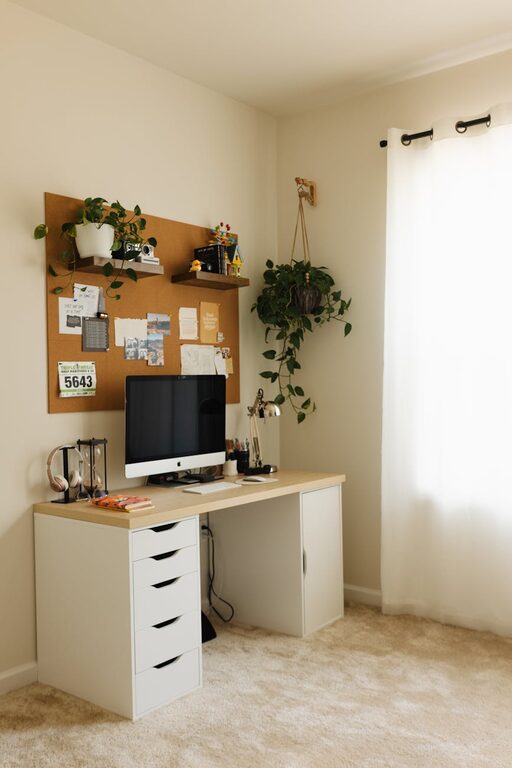
Setting up a home office that feels both comfortable and efficient is essential for many people working from home or managing personal projects. A well-designed workspace can improve focus, reduce stress, and make your workday more enjoyable. Whether you have a dedicated room or a small corner, these tips will help you create a cozy and productive home office space.
Choose the Right Location
Finding the perfect spot for your home office is the first step. Ideally, pick a quiet area that offers minimal distractions and good natural light.
– Natural Light: Position your desk near a window if possible. Natural light can boost mood and energy levels.
– Quiet Space: A secluded corner or separate room helps maintain focus.
– Distance from Distractions: Avoid noisy areas close to the kitchen or TV.
Invest in Comfortable Seating
A good chair can make a big difference in your comfort and posture during long work hours.
– Ergonomic Design: Look for chairs with adjustable height, lumbar support, and comfortable cushioning.
– Breathable Material: Fabrics that allow air circulation keep you comfortable throughout the day.
– Take Breaks: Even with a good chair, remember to stand and stretch regularly.
Optimize Your Desk Setup
Your desk should match your work needs and personal preferences.
– Size and Shape: Choose a desk that provides enough surface area for your essentials without feeling cramped.
– Decluttered Surface: Keep only what you frequently use on the desk to maintain focus.
– Cable Management: Use clips or sleeves to organize wires and keep the area neat.
Good Lighting is Key
Proper lighting reduces eye strain and creates a pleasant atmosphere.
– Layered Lighting: Combine ambient light with task lighting, such as a desk lamp.
– Adjustable Brightness: Lamps with dimmers allow you to set the right light level.
– Warm-toned Bulbs: Soft warm light fosters a cozy feel, while cooler light improves alertness.
Incorporate Personal Touches
Adding elements that reflect your personality can make your office feel inviting without causing distractions.
– Plants: Greenery adds color and helps purify the air.
– Artwork: Choose calming or inspiring images that motivate you.
– Scent: Consider mild scents with essential oil diffusers or candles for a relaxing environment.
Stay Organized
Clutter can quickly undermine productivity, so keeping organized is essential.
– Storage Solutions: Use shelves, filing cabinets, or desk organizers to store supplies.
– Daily Clean-up: Spend a few minutes each day tidying your space.
– Digital Organization: Maintain a clear desktop and use tools to organize files.
Manage Noise Levels
Controlling noise can help you concentrate better.
– Noise-Cancelling Headphones: Ideal for blocking out household sounds.
– White Noise Machines or Apps: These can mask distracting noises.
– Soft Furnishings: Rugs, curtains, and cushions absorb sound and make the space cozier.
Maintain Healthy Habits
Your home office should support not only work but your wellbeing.
– Regular Breaks: Follow techniques like the Pomodoro method to rest your eyes and move around.
– Hydration Station: Keep water nearby to stay hydrated.
– Exercise: Incorporate stretches or light workouts during breaks.
Keep Technology User-Friendly
Your tech setup can either facilitate smooth work or cause frustration.
– Reliable Internet: A strong connection is crucial for remote work or virtual meetings.
– Ergonomic Accessories: Use keyboard and mouse designed to reduce strain.
– Backup Plan: Have spare chargers or external drives to avoid interruptions.
Conclusion
Creating a home office that balances coziness with productivity takes some planning but pays off in work satisfaction and wellbeing. By choosing the right location, optimizing your furniture and lighting, adding personal touches, and maintaining organization, you can build a workspace that supports your daily goals. Start small, and adjust your office setup to fit your evolving needs for an enjoyable and effective home working experience.