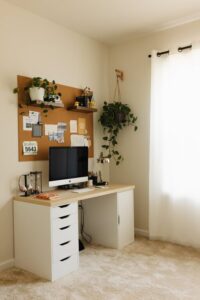
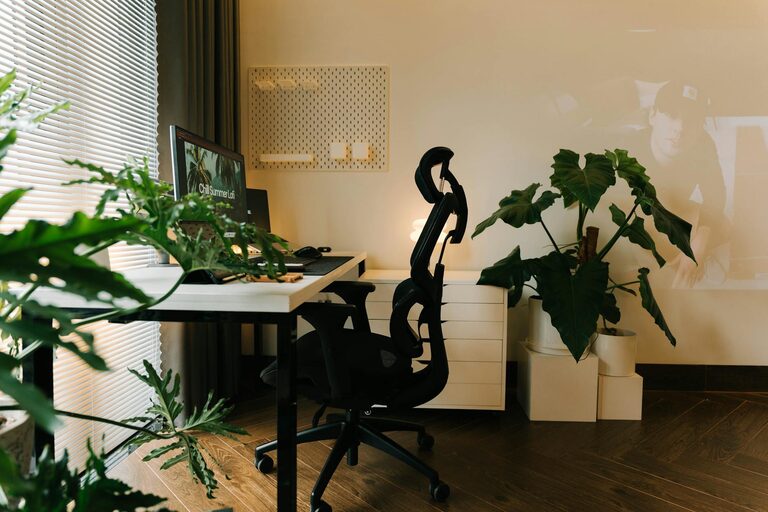
Creating a cozy and productive home office is essential for anyone who spends significant time working from home. A well-designed workspace can boost your focus, inspire creativity, and improve your overall well-being. In this post, we’ll explore practical tips and ideas to help you transform your home office into a comfortable, efficient, and inviting place to work.
1. Choose the Right Location
The first step in setting up your home office is selecting the ideal spot. Consider these factors:
– Natural light: A space near a window provides daylight, which can enhance mood and productivity.
– Quiet environment: Choose a quiet corner away from household noise or high-traffic areas.
– Space availability: Make sure there’s enough room for your desk, chair, and any additional storage or equipment.
If possible, designate a room exclusively for work to mentally separate your professional and personal life.
2. Invest in Comfortable Furniture
Comfort plays a huge role in your ability to focus and stay productive. Consider the following:
– Ergonomic chair: Choose a chair that supports good posture and has adjustable features.
– Spacious desk: Select a desk with enough surface area to organize your essentials without clutter.
– Adjustable desk options: If possible, consider a height-adjustable desk to alternate between sitting and standing.
Prioritizing ergonomic furniture helps prevent physical strain and keeps you comfortable during long hours of work.
3. Optimize Lighting
Good lighting reduces eye strain and boosts concentration. Here’s how to optimize it:
– Use natural light when possible; position your desk near a window but avoid glare on your computer screen.
– Incorporate task lighting, such as a desk lamp with adjustable brightness.
– Use soft ambient lighting to create a cozy atmosphere, especially for early mornings or late evenings.
Balancing different types of lighting can make your workspace both pleasant and functional.
4. Keep Your Workspace Organized
Clutter can distract and decrease productivity. Try these organization strategies:
– Use storage solutions like shelves, filing cabinets, or desk organizers.
– Establish a clean desk habit by tidying up at the end of each day.
– Manage cords with cable organizers to keep your desk surface tidy.
An organized workspace makes it easier to find what you need and helps maintain a clear mind.
5. Personalize Your Office
Adding personal touches can make your workspace feel inviting and inspiring. Consider:
– Hanging artwork or photos that motivate you.
– Adding plants to bring a touch of nature and improve air quality.
– Using colors that you find calming or energizing, such as soft blues or warm yellows.
Personalization helps you enjoy your workspace, which can increase your desire to spend time there.
6. Minimize Distractions
Maintaining focus is critical when working from home. Try these tips to reduce interruptions:
– Set clear boundaries with family or roommates during work hours.
– Use noise-cancelling headphones or play ambient music to block out distractions.
– Turn off non-essential notifications on your devices.
Staying mindful of your environment helps you maintain concentration and get more done.
7. Incorporate Functional Technology
Having the right tools can vastly improve your efficiency:
– Invest in a reliable computer and fast internet connection.
– Use accessories like external monitors, keyboards, or mice to ease strain.
– Consider productivity apps for task management, scheduling, and communication.
Technology should support your workflow without causing frustration.
8. Add Comfort Features
Comfort extends beyond furniture and includes elements that create a pleasant atmosphere:
– Use a soft rug or comfortable floor mat if your office space has hard flooring.
– Keep a blanket or cushion nearby for added warmth and comfort.
– Maintain a comfortable temperature and good ventilation.
Comfortable surroundings help reduce stress and maintain energy levels.
9. Establish a Routine
Finally, creating a routine helps your mind associate your home office with work:
– Set regular work hours and breaks.
– Start your day with a consistent ritual, such as making a cup of tea.
– End your workday by shutting down your computer and tidying up your desk.
A routine supports productivity and helps maintain a healthy work-life balance.
—
Designing a cozy and productive home office involves thoughtful choices about your workspace setup, organization, comfort, and boundaries. By applying these tips, you can cultivate an environment that supports focus and well-being, making working from home an enjoyable experience.