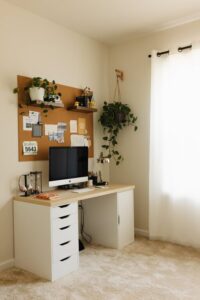
Creating a home office that feels cozy yet keeps you productive can be a game changer for your workday. Whether you’re working remotely full-time or occasionally need a dedicated workspace, setting up an environment you enjoy spending time in boosts motivation and focus. In this post, we’ll explore practical tips to help you design a home office that combines comfort with efficiency.
Why a Cozy and Productive Home Office Matters
Working from home comes with unique challenges, including distractions and the blur between work and personal life. A well-designed home office can:
– Increase your focus and productivity
– Reduce stress and fatigue
– Enhance your mood and motivation
– Help maintain a healthy work-life balance
With this in mind, let’s dive into actionable steps for achieving the ideal workspace.
Choosing the Right Location
The foundation of a great home office starts with location.
Consider Natural Light
Natural light positively impacts your energy and alertness. Choose a room or corner with windows to let daylight in. If natural light isn’t an option, invest in quality lighting that mimics daylight to prevent eye strain.
Minimize Noise Distractions
If possible, pick a quiet spot away from high-traffic areas like kitchens or living rooms. You can also use noise-cancelling headphones or soft background music to concentrate better.
Define Your Workspace
Even in small homes, try to create a clearly defined office area. It helps your brain recognize when it’s time to work and signals boundaries for others in your home.
Ergonomic Setup for Comfort and Health
Comfort is essential for staying productive without fatigue or pain.
Choose the Right Chair
An ergonomic chair with adjustable height, lumbar support, and cushioning supports good posture. Avoid sitting on sofas or beds for extended periods.
Desk Height and Arrangement
Your desk height should allow your elbows to rest at a 90-degree angle when typing. Keep frequently used items within arm’s reach to prevent stretching or straining.
Monitor Position
Place your computer monitor at eye level and about an arm’s length away to reduce neck and eye strain. If you use a laptop, consider adding a separate keyboard and stand.
Organizing Your Home Office
A cluttered desk can negatively impact your focus.
Declutter Regularly
Remove unnecessary papers, gadgets, or knick-knacks. Only keep what you need daily on your desk.
Use Storage Solutions
Shelves, drawers, and organizers keep supplies tidy and accessible. Labeling boxes or files helps locate things quickly.
Cable Management
Tidy cables with clips, sleeves, or ties to avoid tangling and distractions.
Adding Cozy Elements
Comfort doesn’t mean sacrificing professionalism.
Textiles and Soft Furnishings
Add a small rug, cushions, or a cozy throw to soften the space and provide warmth.
Personal Touches
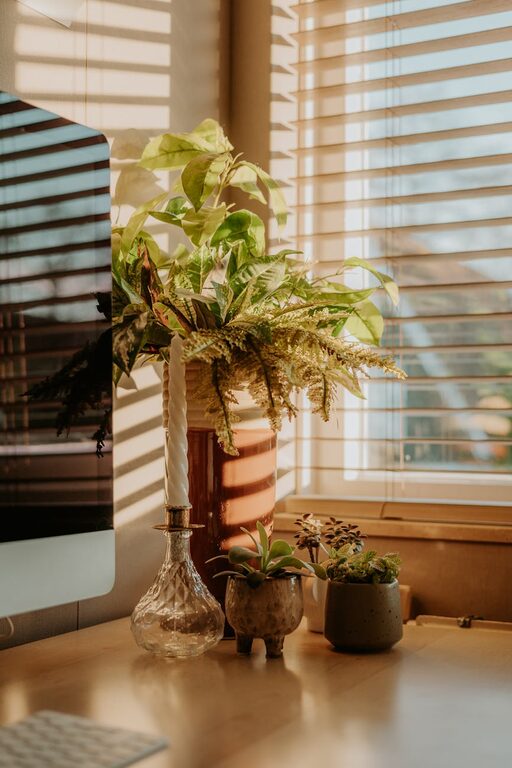
Incorporate art, photos, or plants to create a pleasant atmosphere. Plants also improve air quality and reduce stress.
Temperature and Air Quality
Keep the room well-ventilated and at a comfortable temperature. A small fan or heater can help maintain optimal conditions.
Boosting Productivity
Beyond the physical space, certain habits and tools can enhance your workflow.
Time Management
Use planners, digital calendars, or to-do lists to organize tasks. Break work into focused intervals with breaks in between (the Pomodoro Technique is popular for this).
Limit Distractions
Turn off non-essential notifications and set clear boundaries with housemates or family during work hours.
Incorporate Movement
Take brief breaks to stretch or walk around to avoid stiffness and refresh your mind.
Technology and Tools
Make sure your tools support your efficiency without causing frustration.
Reliable Internet
A stable internet connection is essential for virtual meetings and cloud work.
Quality Equipment
Use headphones for calls, a good keyboard and mouse, and backup storage if necessary.
Software and Apps
Choose productivity apps that fit your workflow, like note-taking, project management, or focus timers.
Conclusion
Setting up a cozy and productive home office is about balancing comfort with function. With thoughtful location choice, ergonomic furniture, organized surroundings, and personal touches, you create an environment that nurtures focus and well-being. Remember, your work environment is a reflection of how you want to work — so invest time and care into designing it to suit your needs.
By following these tips, you can transform your home office into a space where productivity thrives and comfort reigns. Happy decorating and good luck with your work-from-home journey!